


Compensation by Consultancies to Students in Nepal: What the New 2026 Rules Mean
Planning to study abroad is a big decision, and choosing the right educational consultancy is an important part of the process. To better protect students, the Government of Nepal introduced the Educational Consultancy, Language Teaching, and Preparatory Class (Operation and Management) Regulations, 2083 (2026).
On 9 July, Education Minister Sasmit Pokharel said “the new rules are intended to strengthen accountability and better protect students pursuing higher education abroad”. This is one of the biggest changes is the new compensation by consultancies to student Nepal rules. If a consultancy’s negligence or misleading advice leaves a student stranded abroad or places them in a fraudulent or unauthorized institution, it can now be held legally responsible.
The regulations also introduce stricter licensing requirements, a mandatory security deposit, digital payment systems, and higher operating standards for educational consultancies. Here’s what these changes mean for students, parents, and consultancy owners.
Why Did Nepal Introduce the Compensation Rule?
Honestly, this didn’t come out of nowhere. Nepal has seen a growing pile of complaints against educational consultancies, students getting misled about universities, visas, all of it. And once a student was already abroad, there wasn’t much they could do to hold anyone accountable.
So the government stepped in to tighten up education consultancy compensation Nepal policies and push more transparency into the industry. At the end of the day, the goal is simple: protect students while pushing consultancies to actually be responsible with the advice they give
When Must a Consultancy Compensate a Student?
Here’s the thing: compensation isn’t automatic just because a student runs into trouble abroad. The rules around compensation by consultancies to students in Nepal kick in only when the consultancy’s negligence or misleading advice is what caused the problem.
- A student ends up stranded abroad.
- A student gets enrolled in a fraudulent, unauthorized, or illegal institution.
- A student loses money because of bad or inaccurate guidance.
If the consultancy’s found responsible, they’ve got to pay reasonable compensation covering both the financial loss and the mental stress the student went through.
Does Every Stranded Student Receive Compensation?
The clear answer to this is no, not every student who runs into problems overseas automatically gets compensated.
To actually make student compensate claims, students need to show that the consultancy’s negligence or bad advice directly caused their situation. So if a consultancy lied, or shoved a student into some sketchy unauthorized institution, that’s on them. But if things went wrong for reasons totally outside the consultancy’s control, well, the rule probably won’t apply there.
Basically, every case gets looked at individually, based on the evidence.
Other Important Changes Under the New Regulations
The compensation rule’s grabbed most of the headlines, but it’s really just one piece of a much bigger overhaul of Nepal’s education consultancy sector.
1. Rs. 2.5 Million Security Deposit
Every educational consultancy must now deposit Rs. 2.5 million as a security deposit to continue operating legally.
The government can use this deposit when taking action against consultancies that violate the regulations or fail to meet their legal obligations.
2. Annual License and Renewal Fees
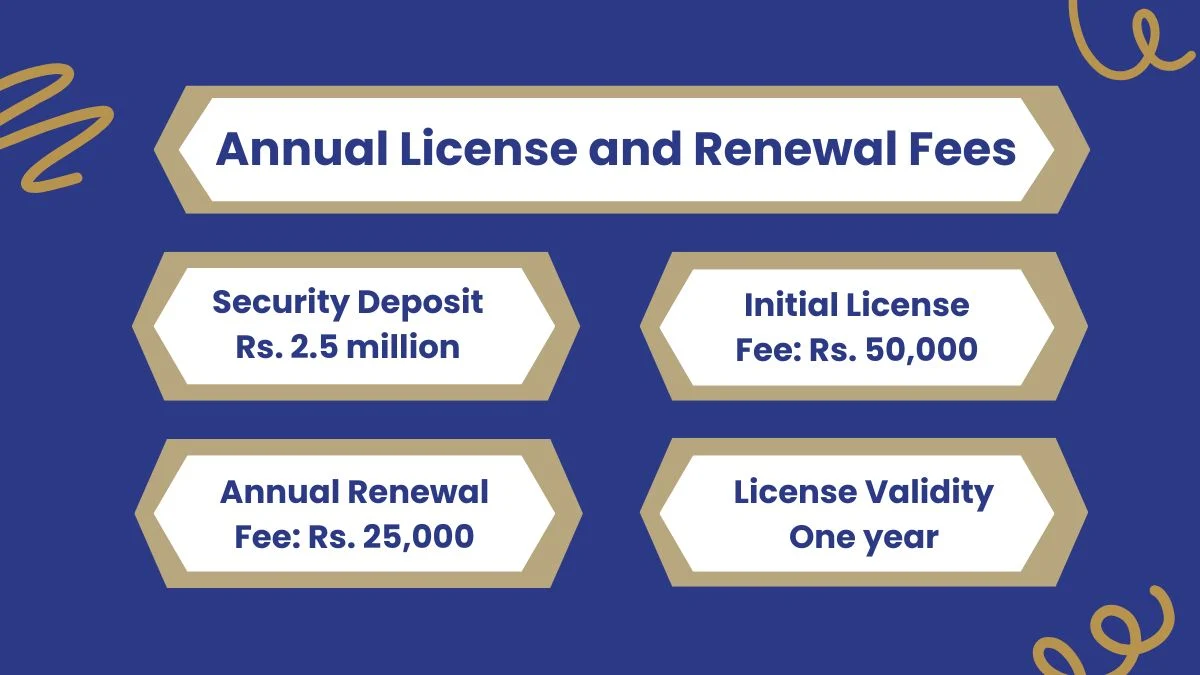
There’s also a new licensing setup consultancies need to follow:
- Security Deposit: Rs. 2.5 million
- Initial License Fee: Rs. 50,000
- Annual Renewal Fee: Rs. 25,000
- License Validity: One year
This applies whether you’re a brand-new consultancy or one that’s been around for years.
3. Digital Payments Are Now Mandatory
No more cash-under-the-table stuff; all consultancy payments now have to go through the banking system. Consultancies also need to issue official receipts and be upfront about their service fees. It cuts down on disputes over undocumented payments, which, honestly, was a real problem before.
Plus, students sending tuition fees abroad now need a No Objection Certificate (NOC) before transferring money through authorized banks
4. A New Grading System for Consultancies
To help students actually make informed choices, consultancies will now get graded A, B, or C. The grading looks at things like:
- Service quality
- Student outcomes
- Complaint history
- Overall performance
So instead of just trusting flashy ads or word-of-mouth, students and parents get another, more reliable way to check a consultancy’s credibility.
5. Higher Standards for the Industry
The rules also raise the bar operationally. Counselors now need at least a bachelor’s degree plus relevant training. Existing consultancies with foreign investment get one year to shift ownership to Nepali investors. From here on, only domestic investment is allowed.
The government’s also cracking down on overseas education fairs that promote foreign institutions without approval, and it can blacklist institutions that don’t meet the standard.
Worried about choosing the right consultancy under these new rules? Learn more about counseling sessions with Westford Education; we’ve followed these transparency standards since 2013.
What These New Rules Mean for Students and Parents
Basically, these new regulations give students and parents way stronger legal footing when dealing with educational consultancies. For the first time, student compensation from educational consultancies in Nepal is clearly written into law, which means consultancies are now genuinely accountable for the advice and service they give.
That said, don’t just rely on the law; do your own homework too. Check if the consultancy’s licensed, get everything in writing, understand the fees upfront, and keep copies of every payment receipt and document.
Also, double-check your university, course, and visa requirements yourself before committing any money. Working with a solid, reputable consultancy and staying informed goes a long way in cutting down unnecessary risk during your study abroad journey.
What Consultancy Owners Need to Know
These new rules raise the bar for consultancies across Nepal, plain and simple. Beyond just following the licensing and operational requirements, owners are now expected to give students accurate, transparent, and genuinely responsible guidance every time.
To stay compliant, consultancies should:
- Deposit the required Rs. 2.5 million security amount.
- Renew their license every year.
- Accept payments only through authorized banking channels.
- Issue official receipts and clearly disclose service fees.
- Employ qualified educational counselors.
- Maintain proper records for every student.
- Provide honest, accurate guidance through the whole admission process.
Skip any of this, and you’re looking at penalties, license suspension, cancellation, or even legal action.
How Westford Education Fits Into This New Regulatory Landscape
At Westford Education, we’ve always believed studying abroad should start with honest guidance and continue with real support. Here’s how we already line up with Nepal’s new standards:
- Transparent guidance: clear info on universities, admissions, fees, and visa requirements.
- Experienced, qualified counselors who help you pick the right course and institution based on your goals, budget, and career plans.
- Support for top destinations: Australia, UK, Canada, USA, and New Zealand.
- End-to-end help, from your first counseling session right through to visa processing and pre-departure prep.
- A student-first approach, focused on helping you make confident, informed decisions.
- Test prep support for IELTS, PTE, TOEFL, GRE, GMAT, and SAT so you’re ready for university and visa requirements.
- Trusted experience since 2013, guiding students across Nepal.
Ready to study abroad? Get in touch with our counseling team or visit us at Putalisadak, Kathmandu, to receive expert guidance tailored to your goals.
Final Thoughts
Nepal’s new rules around consultancy compensation for students in Nepal are a genuinely important step toward more accountability in the study abroad industry. They push consultancies to give honest advice while giving students real legal backing if negligence or bad information leads to financial or personal hardship.
Now, these regulations don’t guarantee compensation in every single case, but they do make it clear that consultancies carry a heavier responsibility for their advice. And that should mean more transparency, higher standards, and more trust between students and consultancies going forward.
For students and parents, this means more confidence when picking a consultancy. For consultancy owners, it’s a reminder that ethics, compliance, and long-term student support actually matter now.
Ready to start your study-abroad journey with a consultancy that’s already ahead of these new rules? Talk to Westford Education today.
Frequently Asked Questions
What is the new compensation rule for educational consultancies in Nepal?
Under Nepal’s 2026 regulations, compensation by consultancies to students in Nepal kicks in when a consultancy’s negligence or misleading advice leaves a student stranded abroad or enrolled in a fraudulent or unauthorized institution. If they’re found responsible, they have to pay reasonable compensation covering the financial loss and mental distress caused.
Does every stranded student receive compensation?
No, Student compensation claims Nepal aren’t automatic; students have to show the consultancy’s negligence, misleading advice, or failure to do its job actually caused the loss or hardship.
How much security deposit must educational consultancies pay?
Every consultancy has to put down Rs. 2.5 million as a security deposit just to operate legally under the new rules.
What are the new license fees for educational consultancies?
There’s an initial license fee of Rs. 50,000, plus an annual renewal fee of Rs. 25,000. Licenses last one year.
Are digital payments now mandatory?
Yep. All consultancy fees now have to go through the banking system, and consultancies must issue official receipts and keep transparent payment records.
How can students choose a reliable educational consultancy?
Look for a licensed consultancy with qualified counselors, transparent pricing, good student feedback, and support that lasts throughout your whole study abroad journey. And honestly read your service agreement carefully, and keep records of everything.